



Romanian Attractions Limpedea Stone Pillars
Limpedea Stone Pillar is a natural wonder in Bihor County in northern Romania. It is located in Apseni Natural Park. This attraction is famous for its unique Carst landform and vertical limestone pillar group. It is a geologist and A popular destination for tourists to explore the geological evolution of the Carpathians. It consists of hundreds of limestone pillars, ranging in height from a few meters to tens of meters, resembling a giant "stone forest". Its limestone pillars record hundreds of millions of years of sedimentary, tectonic and dissolution history. As a typical representative of karst landform.

Emperor Butterfly Flight 3D Animation
The monarch butterfly is a large migratory butterfly known for its bright orange wings and unique migratory behavior. Mainly distributed in North America and Central America, every autumn will be up to 3000 kilometers of migration, from North America to central Mexico to overwinter. The wings have black veins and white spots. This bright color scheme is a warning color that warns predators that they contain toxins. The larvae feed mainly on milkweed, a plant that contains toxins capable of accumulating these toxins in the body, giving the adult a bad taste to predators. The adults feed on nectar, are highly capable of flight, and usually start returning north to their breeding grounds in the spring

Australian Fold Terrain
Mountains are a product of the long geological history of the Earth, formed by the compression and collision of tectonic plates. These folded mountain ranges are the result of horizontal compressive stress on the Earth's crust, causing the rock layers to bend and fold. The formation process is called mountain building, which is a geological event that takes millions of years. Common structures include anticlines and synclines, which are upward convex and downward concave bends formed by compression of rock layers. The folded terrain of Australia is a natural wonder under the influence of internal forces on the Earth, which is not only an important clue for geologists to study geological history, but also of great significance for understanding the tectonic movements of the Earth's plates.

Waterfall Mountain and River Terrain
It is a typical natural landscape typically composed of mountains, rivers, and waterfalls. Commonly found in areas with active crustal movement, where rivers form waterfalls due to sudden terrain drops as they flow through mountains. Waterfalls not only add dynamic beauty to rivers, but also provide abundant water sources for the surrounding ecosystems. Waterfalls fly down from high places, often accompanied by thunderous sounds, creating a stunning natural wonder. Rivers form deep pools or rapids beneath waterfalls, providing habitats for aquatic organisms. It has high ornamental value and is also a treasure trove of ecological diversity. It also maintains humidity and temperature balance in the surrounding areas.

Iceland Go ð afoss Waterfall
Also known as the 'Waterfall of the Gods', it is one of the most famous waterfalls in Iceland, located in the northeast of the country, about a 45 minute drive from the country's second largest city, Acre. Standing 12 meters high and 30 meters wide, it cascades down from the Skj á lfandaflj ó t River, creating a stunning natural landscape. Not only is it famous for its natural beauty, but it is also legendary for its stories closely linked to Iceland's religious history. Whether in the summer sunshine or in the winter snow scenery, it is a natural wonder worth visiting. Appreciating the magnificent scenery of the waterfall is a scenic spot worth visiting in northern Iceland.

Canyon Land National Park in Utah, USA (Part 2)
Located in Utah, USA, it is a national park filled with magnificent landscapes and natural wonders. Divided into several regions, each with its unique topography and scenery. Known for its magnificent canyons and canyon landforms, which have been formed over millions of years by river erosion and crustal uplift. The canyons and cliffs within the park present a diverse range of colors and textures, from red rocks to brown sand dunes, creating a breathtaking geological wonder. Provides a variety of exploration and outdoor activities, such as hiking, cycling, and camping. You can enjoy charming scenery and spectacular canyons.

Canyon Land National Park in Utah, USA (Part One)
Located in Utah, USA, it is a national park filled with magnificent landscapes and natural wonders. Divided into several regions, each with its unique topography and scenery. Known for its magnificent canyons and canyon landforms, which have been formed over millions of years by river erosion and crustal uplift. The canyons and cliffs within the park present a diverse range of colors and textures, from red rocks to brown sand dunes, creating a breathtaking geological wonder. Provides a variety of exploration and outdoor activities, such as hiking, cycling, and camping. You can enjoy charming scenery and spectacular canyons.

Map of Grand Canyon and Little Colorado River Canyon
The Grand Canyon is a spectacular canyon formed by the Colorado River cutting through the highlands of northwest Arizona, USA, known for its unique topography and rich colors. The rock layers of the Grand Canyon record different periods of Earth's history, ranging from ancient rocks over 2.5 billion years old to relatively recent volcanic activity. The Little Colorado River Canyon is the largest tributary of the Colorado River in the Grand Canyon, flowing through the Navajo Reservation in Arizona. Known for its gemstone blue water color, which is formed by the reaction of minerals in water with carbon dioxide in the air. It is a natural wonder, and the water color presents different beautiful colors in different seasons.

The confluence of the Grand Canyon and the Little Colorado River in the United States
It is a spectacular natural wonder located in Arizona, USA, formed by the erosion of the Colorado River over millions of years. Known for its deep canyons, colorful rock formations, and unique geological structure. One of the tributaries of the Colorado River merges with the main river in certain areas of the Grand Canyon, forming this unique location. This convergence point is not only the confluence of two rivers, but also a must visit destination for many tourists and nature enthusiasts. The sediment brought in settles on the riverbed, forming a distinct white sandy beach that contrasts sharply with the surrounding red rocks, adding a unique color to the Grand Canyon.

Mauritania Underground River
It is a natural wonder located in Mauritania, consisting of a groundwater system that includes the Aouk underground river and the Kuom and AirAouk springs. These underground water sources provide valuable water sources in the desert areas of Mauritania and play a crucial role in maintaining the balance of the local ecosystem. As a natural outlet for groundwater flow, it has formed an oasis, attracting a diverse population of flora and fauna, and becoming a vibrant green space in the desert. Not only is it crucial for local wildlife and plants, but it may also have a significant impact on the lives of residents in surrounding communities, providing drinking water and irrigation sources.

Popular Models


Honey Badger (3D animated model)
192 View

Guinea fowl (3D animated model)
163 View
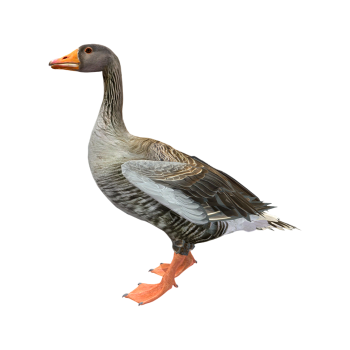
Wild Goose (3D animated model)
185 View

Red Fox (3D animated model)
153 View
Random Model




Alcatel OT8000D Scribe
787 View

Northern Dead Sea region
800 View


Bust of John Amos Comenius
751 View
